Understanding the psychology behind gambling behavior why do players take risks
The Allure of Risk-Taking
Risk-taking is an inherent aspect of human behavior, deeply rooted in the psychology of individuals. When it comes to gambling, this trait becomes particularly pronounced. Players are often drawn to the thrill of uncertainty, where the possibility of winning can evoke feelings of excitement and adrenaline. This emotional high can create a powerful motivator, pushing individuals to take risks that they might otherwise avoid in their daily lives. For instance, exploring various gaming options can lead to informed choices, such as checking out https://www.gestiopolis.com/mejores-casas-de-apuestas-confiables-en-mexico/ for safer betting environments.

The allure of potential rewards can cloud judgment, leading players to engage in behavior that defies logic. Cognitive biases, such as the illusion of control and overconfidence, often play significant roles in gambling. Many players believe they can influence the outcome of games based on skill or strategy, even in games largely driven by chance. This misperception fuels their willingness to gamble, further perpetuating the cycle of risk-taking behavior.
The Role of Technology in Gambling
In today’s digital age, technology has transformed the gambling landscape, making it more accessible than ever. Online casinos and mobile gaming apps allow players to gamble from the comfort of their homes, removing barriers that once limited participation. This ease of access contributes to increased gambling behavior, as players can engage at any time without social or physical constraints.
Moreover, technology introduces features designed to enhance user experience, such as gamification and social interaction. These elements can create a sense of community and competition among players, further encouraging risk-taking. The instant gratification offered by technology, coupled with the immersive experience it provides, makes it easier for individuals to lose track of time and money, leading to risky behavior.
Emotional and Psychological Factors
Emotional states significantly influence gambling behavior. Individuals often gamble to escape from stress, anxiety, or feelings of inadequacy. The temporary relief that comes from winning can be intoxicating, reinforcing the behavior even further. Additionally, losses can create a desire to chase those losses, prompting players to take increasingly dangerous risks in hopes of recovering their funds.
Psychologically, gambling can also serve as a means of enhancing self-esteem or social status. Winning, even just occasionally, can provide a rush of confidence and affirmation, while losing might lead to feelings of shame or regret. This complex interplay of emotions can create a cycle of behavior that is difficult to break, as players continually seek the highs associated with risk-taking.
Social Influences and Peer Pressure
Social dynamics play a crucial role in gambling behavior. Many individuals are introduced to gambling through friends or family, where the social environment normalizes the behavior. Peer pressure can lead individuals to gamble beyond their limits, contributing to risky decisions. The desire to fit in or impress others can override personal reservations about gambling.
Furthermore, social media has amplified this influence, as players share their gambling experiences online, showcasing wins and boasting about successful strategies. This visibility creates a perception that gambling is not only acceptable but also an exciting pursuit that can enhance one’s social life. Consequently, individuals may feel compelled to take risks to align with the expectations of their social circles.
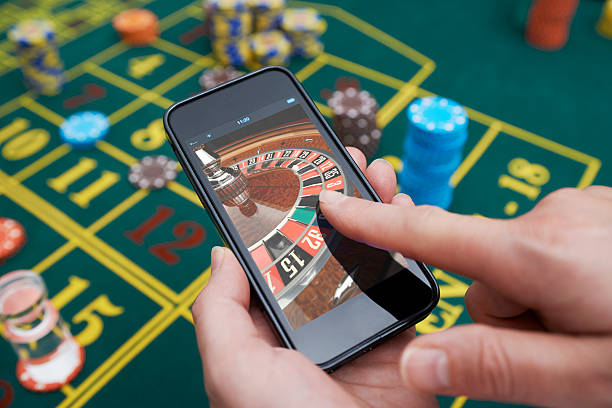
Understanding Risk-Taking in Gambling
The exploration of gambling behavior reveals the complex interplay of psychological, emotional, and social factors that drive individuals to take risks. As technology continues to shape the gambling landscape, understanding these influences becomes crucial for players and stakeholders alike. Awareness of one’s motivations and the potential consequences of gambling can encourage more responsible behavior.
For those seeking a deeper understanding of their gambling habits or looking to make informed decisions, it is essential to approach the activity with mindfulness. Resources are available to assist in evaluating gambling behavior and its implications, ensuring that players can enjoy the thrill of gambling while maintaining control over their actions.
