Pin Up – A Structured Economic Assessment of the Gaming Platform
In the digital entertainment economy, platforms like Pin Up represent a complex intersection of consumer technology, behavioral finance, and regulated market access. This analysis provides a structured, risk-aware examination of the Pin Up ecosystem, evaluating its operational framework, user interface, and financial mechanics through an economic lens. The objective is a clear, diplomatic, yet unambiguous overview of the platform’s sustainability, security protocols, and overall value proposition for the Azerbaijani market, where local currency and payment integrations are critical. The platform, accessible via pinup 360, positions itself as a multifaceted service provider.
Pin Up Interface and Structural Architecture
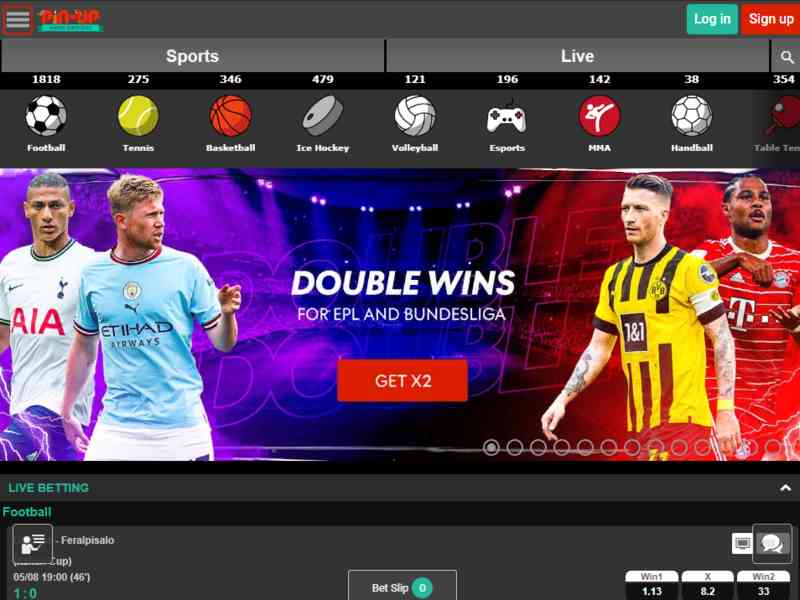
The user interface of Pin Up functions as the primary economic gateway, dictating transaction efficiency and cognitive load. Its design prioritizes clear compartmentalization: casino, sportsbook, and promotional sections are distinctly segmented, reducing informational friction. From an economic perspective, this layout minimizes search costs for the user, allowing for quicker capital allocation decisions. However, the density of visual stimuli and promotional banners introduces a variable risk of impulsive engagement, a factor users must account for in their personal financial management strategies. The platform’s navigation is logically sequenced, supporting a structured approach to activity.
Pin Up Core Functional Modules – A Risk-Aware Breakdown
Functionality must be assessed not for mere features, but for their impact on user agency and financial control. Pin Up integrates several core modules that define its operational capacity.
- Live Dealer Casino: This module simulates a real-time service economy, with streaming quality and dealer professionalism acting as non-monetary transaction costs affecting user experience.
- Sports Betting Engine: The odds marketplace within Pin Up requires analysis of margin structures and event coverage depth, comparable to assessing liquidity in a thin market.
- Virtual Games and Slots: These represent the platform’s high-velocity, high-volatility asset class, where return-to-player (RTP) percentages are the critical long-term economic indicator, not short-term outcomes.
- Account Management Dashboard: This is the central fiscal command node. Its clarity in displaying balance, transaction history, and active bonus status is paramount for informed budgetary oversight.
- Customer Support Portal: Viewed as an insurance mechanism, its accessibility and resolution speed directly impact the platform’s reputational capital and user trust.
The Pin Up Registration Protocol – Onboarding as a KYC Investment
The registration process is a foundational risk-mitigation investment for both the platform and the user. Pin Up mandates a standard data collection procedure, aligning with anti-money laundering (AML) principles. The economic cost to the user is the time and personal data submitted; the return is verified access and enhanced security. For Azerbaijani residents, the process includes selecting AZN as the primary currency-a crucial step that locks in exchange-rate risk elimination for all subsequent transactions. Delays in verification represent a potential deadweight loss, emphasizing the need for accurate document submission.
Pin Up Mobile Application – Portability and Economic Efficiency
The dedicated mobile application transforms the platform into a portable financial-entertainment tool. Its economic value lies in reducing access costs (time, device compatibility) and potentially offering exclusive app-centric promotions, thus altering the user’s incentive structure. The application’s performance stability is a non-negotiable asset; latency or crashes equate to direct transaction failure costs. For the disciplined user, the app enables tighter monitoring of positions and balances, fostering a more controlled engagement environment compared to less structured access points.
Bonus and Promotion Economics at Pin Up
Promotions are not mere gifts; they are sophisticated financial instruments with attached liability. Pin Up’s bonus portfolio, including welcome offers and recurring promotions, must be analyzed through their terms and conditions-the effective “contractual” fine print. Key economic variables include wagering requirements (the liability that must be cleared before withdrawal), game contribution weights, and time limits. A high bonus amount with restrictive rollover conditions presents a different risk/return profile than a smaller, more liquid offer. The rational user assesses these as leverage, understanding they amplify both potential gains and the velocity of potential losses.
| Promotion Type | Primary Economic Function | Key Risk Parameter to Audit | Sustainability Indicator |
|---|---|---|---|
| Welcome Bonus | Customer acquisition cost subsidization | Wagering multiplier (e.g., 35x) | Clear public disclosure of full terms |
| Free Spins | Sampling mechanism for slot inventory | Maximum win cap from bonus funds | Reasonable conversion rate to cash |
| Cashback | Loss rebate, smoothing consumption volatility | Percentage rate and payment schedule | Consistent, automated payout execution |
| Reload Bonus | Increasing customer lifetime value (LTV) | Minimum deposit threshold to activate | Does not encourage over-leveraging |
| Tournament | Creating competitive engagement externalities | Prize pool structure and fairness rules | Transparent leaderboard in real-time |
Pin Up Deposit and Withdrawal Infrastructure – Liquidity Management
The payment corridor is the essential plumbing of the platform’s economy. Pin Up’s integration of local Azerbaijani payment methods, including bank cards and potentially local e-wallets, is a critical competitive advantage that reduces transaction frictions and currency conversion costs for users. The economic metrics to monitor are transaction finality times (the speed of settlement) and the presence of any non-transparent fees, which act as a tax on user capital. Withdrawal processing times are a direct indicator of the platform’s operational liquidity and commitment to contractual fulfillment. A predictable, swift cycle supports user financial planning.
- Deposit Methods: Instant processing is standard, representing efficient capital inflow. Options catering to AZN avoid hidden forex spreads.
- Withdrawal Methods: Processing times vary by method; delays represent an opportunity cost on user capital. First-time withdrawals typically trigger enhanced verification.
- Transaction Limits: Minimum and maximum bounds impose a structure on capital flow, which can serve as a passive risk-management tool for some users.
- Fee Schedule: The absence of punitive fees for standard transactions is a sign of a platform aligning its revenue with user activity, not with payment processing.
- Currency Stability: Holding and transacting solely in AZN shields the user from exchange rate volatility, a significant external risk factor eliminated.
Security and Regulatory Capital – The Foundation of Trust
In digital finance, security protocols are the regulatory capital that underwrites all activity. Pin Up’s utilization of SSL encryption represents a baseline investment in data asset protection. More critically, its adherence to Know Your Customer (KYC) and Anti-Money Laundering (AML) directives, likely under an international licensing authority, signals a commitment to operational integrity. For the user, this process, while sometimes administratively burdensome, reduces counterparty risk-the risk that the platform itself is unsound. The long-term sustainability of any gaming platform is inextricably linked to its regulatory standing and transparent operational practices.

Assessing Pin Up Support Services – The Insurance Premium
Customer support is not a cost center but an insurance premium paid in operational overhead to protect brand equity. The efficiency of Pin Up’s support-measured by availability (24/7), channel diversity (live chat, email), and first-contact resolution rate-directly impacts the user’s cost of problem resolution. In economic terms, poor support increases the user’s transactional friction and potential for deadweight loss in disputed transactions. A robust support system enhances the platform’s resilience and user confidence, contributing to a more stable commercial environment.
Long-Term Viability and Concluding Risk-Benefit Synthesis
A holistic view of Pin Up reveals a platform with a structured, multi-product offering designed for the Azerbaijani market. Its economic strengths lie in local currency integration, a diversified game portfolio, and a structured bonus system. The inherent risks, as with any platform in this sector, are behavioral and financial, centered on the volatility of games and the complex liability structures of promotions. The most sustainable user approach is one that engages with the platform’s features-its clear dashboard, responsible gaming tools, and AZN payment rails-within a pre-defined personal fiscal framework. The platform’s design supports such structured engagement, but the ultimate risk management resides with the individual’s disciplined application of economic principles to their entertainment expenditure.
